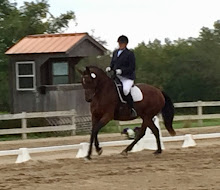
There are many things that go into a successful partnership with your horse. It takes a team to make it work. There are key players required for a successful team that need to work together for a common goal.
The owner must use all of the team members and failure to do so, can cause the whole project to fail.
The trainer is an important team member and a resource for accurate information about what may be needed from the rest of the team. Each sport within the equestrian field may require slightly different things to come together for your horse to perform at the top of its ability.
In dressage, a sport horse float is almost a necessity. It is a sport where light contact for communication is required, so there needs to be total mouth comfort to allow the horse to hear without any stress. Some folks do not believe in this kind of floating and that can work for them as long as their horse was born with a fairly good mouth. When there is a problem with the mouth, then the float becomes critical.
The same thing applies to the farrier care. If your horse has good feet you have more options on hoof care. Natural trimming can work and does if the hoof structure sufficient. If the rider rides the horse hard or on hard surfaces - the horse may simply need shoes to be able to function without pain like the rider needs it to.
Saddle fitting is also a big deal. Your trainer can send you in the right direction, but ultimately having a good saddlefitter in your corner helps you ride your horse pain free.
I have seen people make teeth floating mistakes and farrier mistakes and saddle fitting mistakes. Most of them willingly make adjustments when the discomfort is pointed out. Not addressing these things is actually unkind to your horse and counter-productive to your goals.
As a trainer I try not to dwell on these things but I find sometimes I have to. Pain blocks progress like nothing else I have seen. The horse looses 1/2 of its I.Q. and is slow to learn at best and becomes dangerous to ride at worst. No trainer wants her student to not progress or worse yet get hurt. So at the point where there is a chronic pain problem that is not addressed, it is usually best to suspend the trainer - student relationship.
That being said, I love helping folks and their horses. It makes my day when they progress and do well. I love coming back from a horse show talking about what went well and what needs to be worked on to make things even better. Those are great discussions that help focus the trainer and student for future successes.
It takes a team to make your horse experience a great one. Pick your team wisely and have a great time. This is supposed to be fun and educational.
Tuesday, June 25, 2013

Saturday, June 1, 2013
How Complicated Can Riding be?
I know when I was younger it was simple to me. I wanted a horse and I wanted to learn to ride. I thought well how complicated can it be? I was in for a suprise - that is for sure.
The horse needs to be sound and physically comfortable and I need to be ready willing and able to make that happen for my horse. I also have to take care of myself physically as well.
Saddle fit is a big deal. If there is a problem with a saddle and it does not fit your horse and your horse is uncomfortable, then right away there will be problems. To complicate things even further, it seems like there are many horses who have an issue with their saddles even if the fit seems o.k. I purchased a Lovatt and Rickets saddle a while ago - maybe a year ago. It has a flair at the shoulder area and does not fit quite the same there and allows for more shoulder freedom. Well many horses really prefer that kind of a tree. It makes me wonder if more horses have something like mild kissings in their wither area than I ever realized. All I know for sure is that for many horses, that saddle is a winner.
I purchased a horse, Soleil for a school horse a while back and I worked on comfort with her for a long time. She is a Quarter Horse/Arab cross and has fairly wide sprung ribs. (Great for deep breathing - but hard for saddle fitting.) Non-slip pads do the trick for her and she is now quite happy.
Teeth floating is also a huge deal. The horse really needs to be comfortable in their teeth so they can relax and move their jaw as they work. I prefer an equine dentist for that. It really makes a difference in performance.
Then of course there is the farrier. I am not a huge fan of shoeing every horse but believe if it is necessary for comfort, shoes should be used. Some breeds have better feet, like many Arabians and I have a few Lipizzaner mares at the farm that have good feet. I also have some warmbloods that have nice feet. With the warmbloods, it seems like the less TB blood in the mix, the better the feet.
O.K. now I am making the basic assumption that wormings and basic health is in order.
Now you are ready to take your riding lesson or go to that show. If you want to have a great time and learn your sport with the least amount of detours, take care of all of the above.
The horse needs to be sound and physically comfortable and I need to be ready willing and able to make that happen for my horse. I also have to take care of myself physically as well.
Saddle fit is a big deal. If there is a problem with a saddle and it does not fit your horse and your horse is uncomfortable, then right away there will be problems. To complicate things even further, it seems like there are many horses who have an issue with their saddles even if the fit seems o.k. I purchased a Lovatt and Rickets saddle a while ago - maybe a year ago. It has a flair at the shoulder area and does not fit quite the same there and allows for more shoulder freedom. Well many horses really prefer that kind of a tree. It makes me wonder if more horses have something like mild kissings in their wither area than I ever realized. All I know for sure is that for many horses, that saddle is a winner.
I purchased a horse, Soleil for a school horse a while back and I worked on comfort with her for a long time. She is a Quarter Horse/Arab cross and has fairly wide sprung ribs. (Great for deep breathing - but hard for saddle fitting.) Non-slip pads do the trick for her and she is now quite happy.
Teeth floating is also a huge deal. The horse really needs to be comfortable in their teeth so they can relax and move their jaw as they work. I prefer an equine dentist for that. It really makes a difference in performance.
Then of course there is the farrier. I am not a huge fan of shoeing every horse but believe if it is necessary for comfort, shoes should be used. Some breeds have better feet, like many Arabians and I have a few Lipizzaner mares at the farm that have good feet. I also have some warmbloods that have nice feet. With the warmbloods, it seems like the less TB blood in the mix, the better the feet.
O.K. now I am making the basic assumption that wormings and basic health is in order.
Now you are ready to take your riding lesson or go to that show. If you want to have a great time and learn your sport with the least amount of detours, take care of all of the above.
Thursday, April 4, 2013
Practical Help for Horses Who Cross Canter
Recently, there have been two training horses that have an issue where they cross canter. In other words they canter on the correct lead but swap behind so they are cantering on the inside lead in front and the outside lead behind.
Two things happen when the horse cross canters. The haunches are lost to the outside and the shoulder collapses to the inside. Some horses do this because they lack strength and flexibility, so if the rider can help them canter in a united fashion, the horse can be corrected.
Correcting the horse is not about obedience in this case but about developing the strength and flexibility required to hold the canter lead. If the horse starts the canter as a cross canter - it is likely that he collapses his shoulder during the canter depart. In this case it is best to use some inside knee to push the shoulders out and a little more upright during the canter depart.
If the horse starts out in a united inside lead but then later looses his back end, the haunches are sliding too far to the outside of the canter circle. The best solution to this is for the rider to sit heavy on the outside on seat. This creates a bit of a block to the horse swinging his haunches out and helps the horse stay aligned so he can keep the inside canter lead in the back.
This process will help rather quickly and the horse will gain strength and flexibility. As the horse becomes stronger, the rider will not have to weight the outside of the circle and the horse will be able to maintain a united canter lead.
Good Luck with your horses and be sure to have a great time!
Two things happen when the horse cross canters. The haunches are lost to the outside and the shoulder collapses to the inside. Some horses do this because they lack strength and flexibility, so if the rider can help them canter in a united fashion, the horse can be corrected.
Correcting the horse is not about obedience in this case but about developing the strength and flexibility required to hold the canter lead. If the horse starts the canter as a cross canter - it is likely that he collapses his shoulder during the canter depart. In this case it is best to use some inside knee to push the shoulders out and a little more upright during the canter depart.
If the horse starts out in a united inside lead but then later looses his back end, the haunches are sliding too far to the outside of the canter circle. The best solution to this is for the rider to sit heavy on the outside on seat. This creates a bit of a block to the horse swinging his haunches out and helps the horse stay aligned so he can keep the inside canter lead in the back.
This process will help rather quickly and the horse will gain strength and flexibility. As the horse becomes stronger, the rider will not have to weight the outside of the circle and the horse will be able to maintain a united canter lead.
Good Luck with your horses and be sure to have a great time!
Monday, March 11, 2013
The Emotional Development of the Dressage Rider
If riding dressage was not difficult enough, add to the equation the emotional requirements for doing it well. Lets talk about the emotional state that is optimal for the horse to learn and be emotionally healthy.
Lets say there is a scale from one to ten. One is completely passive and ten is extremely aggressive. The number five is neutral. Horses do the best mentally if the rider uses the emotional range from 3 to 7.
That is the easy part. Deciding where to be on the scale is the hard part. For example, if the horse is frightened, most of the time it is advisable to get quieter or use the gentle side of your emotional range. However, if your horse is frightened and physically in your space, you must increase your emotional state or assertiveness. For me when I do not know the horse very well, I gradually change my emotional state to see if it helps the horse. If the horse's behavior becomes worse I will reverse my emotional state and go the other way.
This is why it is confusing. Some horses use stress to control the ride or the interaction. I always respond to what looks like fear with a softer emotional state at first. I keep careful track of the horse's response. If the horse improves then super! If not. then he is controlling the interaction through his stress. If the horse responds with more stress you know you have gone in the wrong direction. Then the rider must increase their emotional state towards being assertive instead.
Then there is the horse that is just a bit challenging (easier to read). The rider simply needs to go up the emotional scale to assertiveness. The rider needs to not hold a grudge and needs to then return immediately to neutral when the behavior improves. A neutral emotional state is acceptance. Acceptance is a reward.
If this is not difficult enough, then the rider needs to be able to access their emotional state easily between three and seven. But people have personalities and preferences of their own. People have preferences on the emotional scale that they like to use. It is extremely hard to teach yourself the part of the scale that makes you uncomfortable. Some people are simply very nice and like to use their neutral and lower emotional scale. Others are matter of fact and would just like to get it done and are comfortable using the neutral and higher assertive part of their emotional scale.
Horses quite simply need us as riders to use both sides of the emotional scale when we ride. So the bottom line is that it does not matter which side of the emotional scale you prefer to use as a rider, your horse needs both. So in the end, all of us learning how to ride well, are uncomfortable as we learn to use the emotional scale. To do this we need to learn the emotional piece we are weaker at.
Give yourself a break and understand where you naturally fall on the emotional scale. Then try to teach yourself to use the whole range when you ride. The start is knowing where you are emotionally and what you need to be for your horse. Remember your preferred state is very helpful is some situations, just be sure to learn the entire scale.
There is no right or wrong emotional preference, just awareness and then education on what to use when.
Have a great time with your horse!
Lets say there is a scale from one to ten. One is completely passive and ten is extremely aggressive. The number five is neutral. Horses do the best mentally if the rider uses the emotional range from 3 to 7.
That is the easy part. Deciding where to be on the scale is the hard part. For example, if the horse is frightened, most of the time it is advisable to get quieter or use the gentle side of your emotional range. However, if your horse is frightened and physically in your space, you must increase your emotional state or assertiveness. For me when I do not know the horse very well, I gradually change my emotional state to see if it helps the horse. If the horse's behavior becomes worse I will reverse my emotional state and go the other way.
This is why it is confusing. Some horses use stress to control the ride or the interaction. I always respond to what looks like fear with a softer emotional state at first. I keep careful track of the horse's response. If the horse improves then super! If not. then he is controlling the interaction through his stress. If the horse responds with more stress you know you have gone in the wrong direction. Then the rider must increase their emotional state towards being assertive instead.
Then there is the horse that is just a bit challenging (easier to read). The rider simply needs to go up the emotional scale to assertiveness. The rider needs to not hold a grudge and needs to then return immediately to neutral when the behavior improves. A neutral emotional state is acceptance. Acceptance is a reward.
If this is not difficult enough, then the rider needs to be able to access their emotional state easily between three and seven. But people have personalities and preferences of their own. People have preferences on the emotional scale that they like to use. It is extremely hard to teach yourself the part of the scale that makes you uncomfortable. Some people are simply very nice and like to use their neutral and lower emotional scale. Others are matter of fact and would just like to get it done and are comfortable using the neutral and higher assertive part of their emotional scale.
Horses quite simply need us as riders to use both sides of the emotional scale when we ride. So the bottom line is that it does not matter which side of the emotional scale you prefer to use as a rider, your horse needs both. So in the end, all of us learning how to ride well, are uncomfortable as we learn to use the emotional scale. To do this we need to learn the emotional piece we are weaker at.
Give yourself a break and understand where you naturally fall on the emotional scale. Then try to teach yourself to use the whole range when you ride. The start is knowing where you are emotionally and what you need to be for your horse. Remember your preferred state is very helpful is some situations, just be sure to learn the entire scale.
There is no right or wrong emotional preference, just awareness and then education on what to use when.
Have a great time with your horse!
Saturday, February 23, 2013
Setting Limits That Improve Your Relationship With Your Horse
There are some people that are just plain nice people. They want to find only positive ways to interact with their horses. This can work most of the time but not all of the time.
If you have a horse that bites, it is your responsibility to resolve that issue. Many times I think this issue starts when the horse is a foal. Foals can be really oral and some of them will lick the people handling them. At that point just pushing their noses away can be enough. If you do not address it at that point, it becomes biting and then eventually the horse sees it as a fun game. This horse has become a problem. If you watch the herd, many horses play biting games with each other and the looser backs up. So if you have a biting issue you need to back that horse up every time it tries to bite or exhibits pre-biting behavior like putting his lips close to your body. This has to be a consistent fix every time the horse is handled.
Then there is the issue of a horse that pretends to be afraid of the mounting block. When I say this I do not mean a young horse that has never seen one I mean an adult horse that has been up to one hundreds or times. The handler must drive horse towards the block and reward the horse for going up to the block. This can be done forward or backwards. This pretend fear is the horse checking in to see if you are really his or her leader.
Space issues are important, if your horse is afraid and shies into you instead of away from you it just plain is not safe. I know a woman that was leading her horse and he became frightened and shied into her. I do not know if he just knocked her down or knocked her down and ran her over. I never heard the details. What I did hear is that she had a fractured skull. What I am trying to say is that it does not matter why your horse is scared, he or she is not allowed in your space when they are frightened. This is a safety issue. The difference in weight and size makes it dangerous for that to be the case. Petting the horse when is frightened, is o.k. if the horse is respecting your space. But if the horse is shying into you or kicking at you, petting is not the best idea. Enforcing your space is number one and you can follow up with petting once the horse respects your space.
Further, expanding on space issues is the importance of the horse moving its shoulder away from the handler when asked. Horses rarely shy into a person all of a sudden. They usually are too close to the handler in their shoulder area for quite some time and then it becomes critical in a scary situation. I know ground work can be boring but it is really an important piece.
If you look at setting limits as helping the horse, I think it will help if you are a kind hearted person. The horse who can walk quietly and politely next to the human without crowding them or biting them will have an easier time interacting with people. If you help the horse become human friendly, the horse will have a better chance to have a stable productive life.
If you have a horse that bites, it is your responsibility to resolve that issue. Many times I think this issue starts when the horse is a foal. Foals can be really oral and some of them will lick the people handling them. At that point just pushing their noses away can be enough. If you do not address it at that point, it becomes biting and then eventually the horse sees it as a fun game. This horse has become a problem. If you watch the herd, many horses play biting games with each other and the looser backs up. So if you have a biting issue you need to back that horse up every time it tries to bite or exhibits pre-biting behavior like putting his lips close to your body. This has to be a consistent fix every time the horse is handled.
Then there is the issue of a horse that pretends to be afraid of the mounting block. When I say this I do not mean a young horse that has never seen one I mean an adult horse that has been up to one hundreds or times. The handler must drive horse towards the block and reward the horse for going up to the block. This can be done forward or backwards. This pretend fear is the horse checking in to see if you are really his or her leader.
Space issues are important, if your horse is afraid and shies into you instead of away from you it just plain is not safe. I know a woman that was leading her horse and he became frightened and shied into her. I do not know if he just knocked her down or knocked her down and ran her over. I never heard the details. What I did hear is that she had a fractured skull. What I am trying to say is that it does not matter why your horse is scared, he or she is not allowed in your space when they are frightened. This is a safety issue. The difference in weight and size makes it dangerous for that to be the case. Petting the horse when is frightened, is o.k. if the horse is respecting your space. But if the horse is shying into you or kicking at you, petting is not the best idea. Enforcing your space is number one and you can follow up with petting once the horse respects your space.
Further, expanding on space issues is the importance of the horse moving its shoulder away from the handler when asked. Horses rarely shy into a person all of a sudden. They usually are too close to the handler in their shoulder area for quite some time and then it becomes critical in a scary situation. I know ground work can be boring but it is really an important piece.
If you look at setting limits as helping the horse, I think it will help if you are a kind hearted person. The horse who can walk quietly and politely next to the human without crowding them or biting them will have an easier time interacting with people. If you help the horse become human friendly, the horse will have a better chance to have a stable productive life.
Friday, February 1, 2013
Shoulder In - What it does for your horse
Today three of the young horses were worked. Two mares and a gelding. Both of the mares are a little farther along than the gelding. Samantha Wagner rides our young horses and today we played with shoulder-In on all three of them. It was interesting to see the reactions of each horse based on their temperaments and their physical attributes.
When we teach young horses to walk, trot and canter and even leg yield, they can travel with the base of their legs in a wider fashion. Nature tells them if they keep their base wider that they are more physically stable. Before shoulder in is introduced, there must be a basic amount of trust from the horse towards the rider. This is because shoulder In narrows the base of the horse. A horse with a narrower base can start to collect and carry itself on its back end a little more. But a horse with a more narrow base must trust its rider at least somewhat. Because as the horse narrows its base and performs shoulder in, he or she is less physically stable side to side but is using their hind quarters better.
The first mare is a rather wide built mare that is strong but not laterally flexible. She is independent in her thoughts and a little opinionated. We started the shoulder in in the trot so she could feel the stretch but also have enough forward thrust that if she disagreed with her rider - she could still successfully be pushed forward so she could be rewarded.
The second mare was also a wide muscular horse that is a bit shy and timid. We introduced the shoulder in on this mare in the walk because if she gets stressed out she likes to slow things down and think about them. Then when the rider tries a second time she is likely to try harder. She did well in the walk and struggled a little in the trot. The struggle was not independent thinking but rather the result of a muscular horse that can stretch only so far the first day.
The gelding was the least trained but he is a TB/warmblood cross. So he has a narrower base to begin with. He is a confident young man so we started the shoulder In at the trot. He found his way there on the first try on both sides. The reason he had it easier was because of how he is put together.
If you are working with your horse and they have a blocky build, remember that lateral movements will be slower when you start teaching them but will help the quality of the horses movement. Many horses are strong but not flexible, if this describes your horse lateral movements will help loosen them. Others are flexible but not strong. Weirdly, lateral movements also help them. The act of using their hind quarters more using shoulder in improves their strength.
When we teach young horses to walk, trot and canter and even leg yield, they can travel with the base of their legs in a wider fashion. Nature tells them if they keep their base wider that they are more physically stable. Before shoulder in is introduced, there must be a basic amount of trust from the horse towards the rider. This is because shoulder In narrows the base of the horse. A horse with a narrower base can start to collect and carry itself on its back end a little more. But a horse with a more narrow base must trust its rider at least somewhat. Because as the horse narrows its base and performs shoulder in, he or she is less physically stable side to side but is using their hind quarters better.
The first mare is a rather wide built mare that is strong but not laterally flexible. She is independent in her thoughts and a little opinionated. We started the shoulder in in the trot so she could feel the stretch but also have enough forward thrust that if she disagreed with her rider - she could still successfully be pushed forward so she could be rewarded.
The second mare was also a wide muscular horse that is a bit shy and timid. We introduced the shoulder in on this mare in the walk because if she gets stressed out she likes to slow things down and think about them. Then when the rider tries a second time she is likely to try harder. She did well in the walk and struggled a little in the trot. The struggle was not independent thinking but rather the result of a muscular horse that can stretch only so far the first day.
The gelding was the least trained but he is a TB/warmblood cross. So he has a narrower base to begin with. He is a confident young man so we started the shoulder In at the trot. He found his way there on the first try on both sides. The reason he had it easier was because of how he is put together.
If you are working with your horse and they have a blocky build, remember that lateral movements will be slower when you start teaching them but will help the quality of the horses movement. Many horses are strong but not flexible, if this describes your horse lateral movements will help loosen them. Others are flexible but not strong. Weirdly, lateral movements also help them. The act of using their hind quarters more using shoulder in improves their strength.
Tuesday, December 11, 2012
Basic Dressage and the Training Pyramid
I have been reminded about the dressage training pyramid lately. I just gave a beginning dressage lesson and have also been working with a young horse via another rider.
In the lesson the rider has to be able to start somewhere. So even though rhythm and relaxation are on the base of the pyramid, things like connection, impulsion, straightness and collection are also needed but are not considered the base of the training. This horse in my recent lesson is an Arab gelding and is willing to move out. So in addressing rhythm and relaxation we worked on a couple of things. We worked on walk halt transitions and trot walk transitions. From there we worked on half halts and having the horse understand to follow his rider and find his steady relaxed tempo from there. This worked really quite well.
This horse also liked to over bend his neck and leave his body straight and that would disrupt his balance. So the other thing I had his rider work on was to keep his neck fairly straight with only a slight bend and then push him with her legs. This is a straightness issue that helped rhythm and relaxation - so even though it is higher on the training scale, we worked on it as well. One of the easiest ways to get the horse to start steering from your legs is to do some spiral in and out on a 20 meter circle. We did that and talked about even bending.
Another horse however, (a Quarab mare), likes to go crooked and fast and rush or sometimes stall out. This mare really needs the up and down transitions and needs to follow the rider in her tempo. The rider was worried about her straightness and I agree that straightness is important - but being relatively straight is enough at first. It seems like if the rhythm and relaxation is addressed first that the straightness will come. Perfectly straight is a goal that is critical as you go up the levels. At first a basic relative straightness will be functional enough.
Each horse has its preferred way of going or of solving problems. It is fun to help them all come to the middle ground and be more fun to ride.
In the lesson the rider has to be able to start somewhere. So even though rhythm and relaxation are on the base of the pyramid, things like connection, impulsion, straightness and collection are also needed but are not considered the base of the training. This horse in my recent lesson is an Arab gelding and is willing to move out. So in addressing rhythm and relaxation we worked on a couple of things. We worked on walk halt transitions and trot walk transitions. From there we worked on half halts and having the horse understand to follow his rider and find his steady relaxed tempo from there. This worked really quite well.
This horse also liked to over bend his neck and leave his body straight and that would disrupt his balance. So the other thing I had his rider work on was to keep his neck fairly straight with only a slight bend and then push him with her legs. This is a straightness issue that helped rhythm and relaxation - so even though it is higher on the training scale, we worked on it as well. One of the easiest ways to get the horse to start steering from your legs is to do some spiral in and out on a 20 meter circle. We did that and talked about even bending.
Another horse however, (a Quarab mare), likes to go crooked and fast and rush or sometimes stall out. This mare really needs the up and down transitions and needs to follow the rider in her tempo. The rider was worried about her straightness and I agree that straightness is important - but being relatively straight is enough at first. It seems like if the rhythm and relaxation is addressed first that the straightness will come. Perfectly straight is a goal that is critical as you go up the levels. At first a basic relative straightness will be functional enough.
Each horse has its preferred way of going or of solving problems. It is fun to help them all come to the middle ground and be more fun to ride.
Subscribe to:
Posts (Atom)